Creemore Village Green
A new gathering place rooted in the story of a village.
Distilled from
Railway Heritage • Landscape • Community
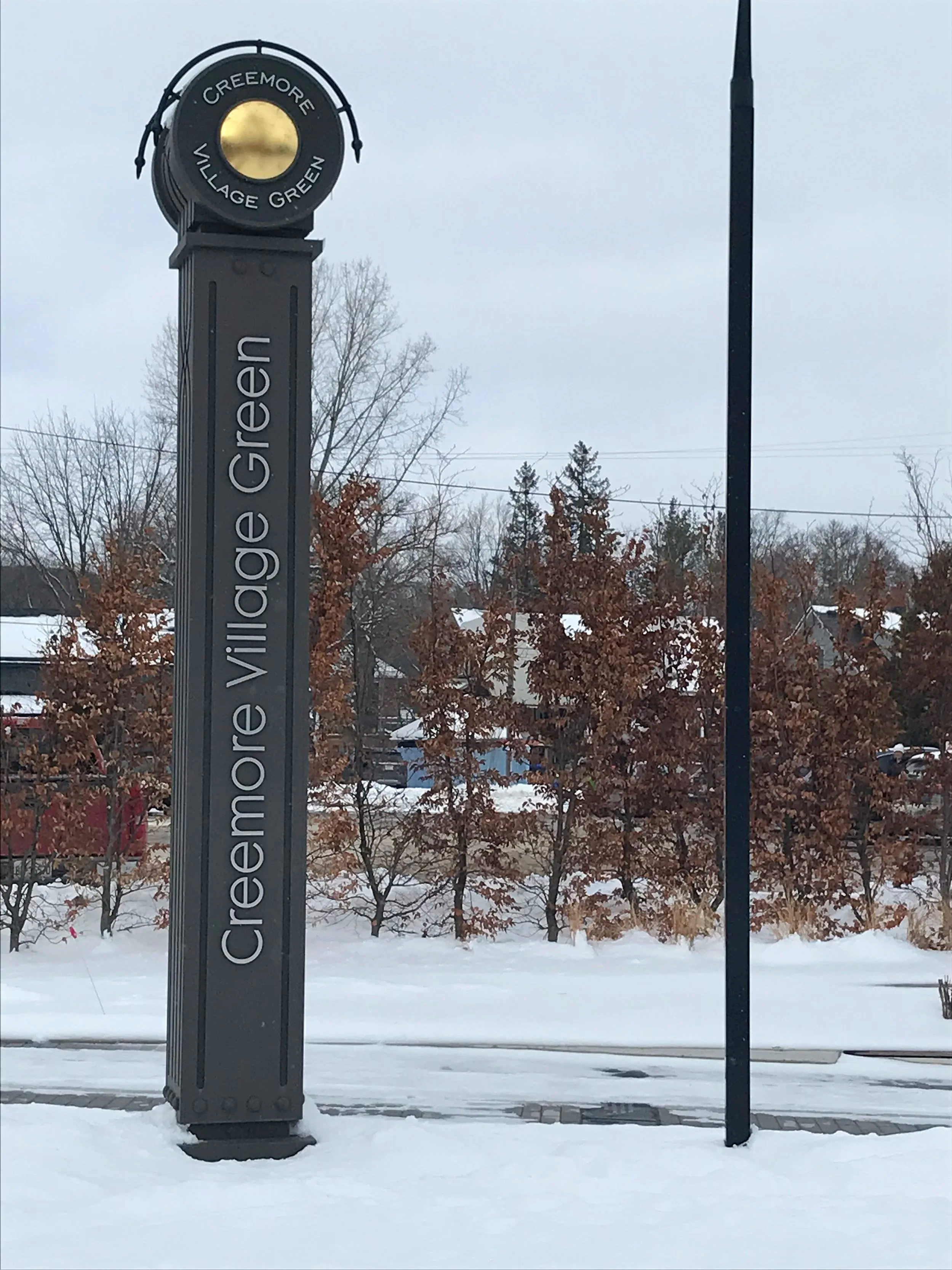
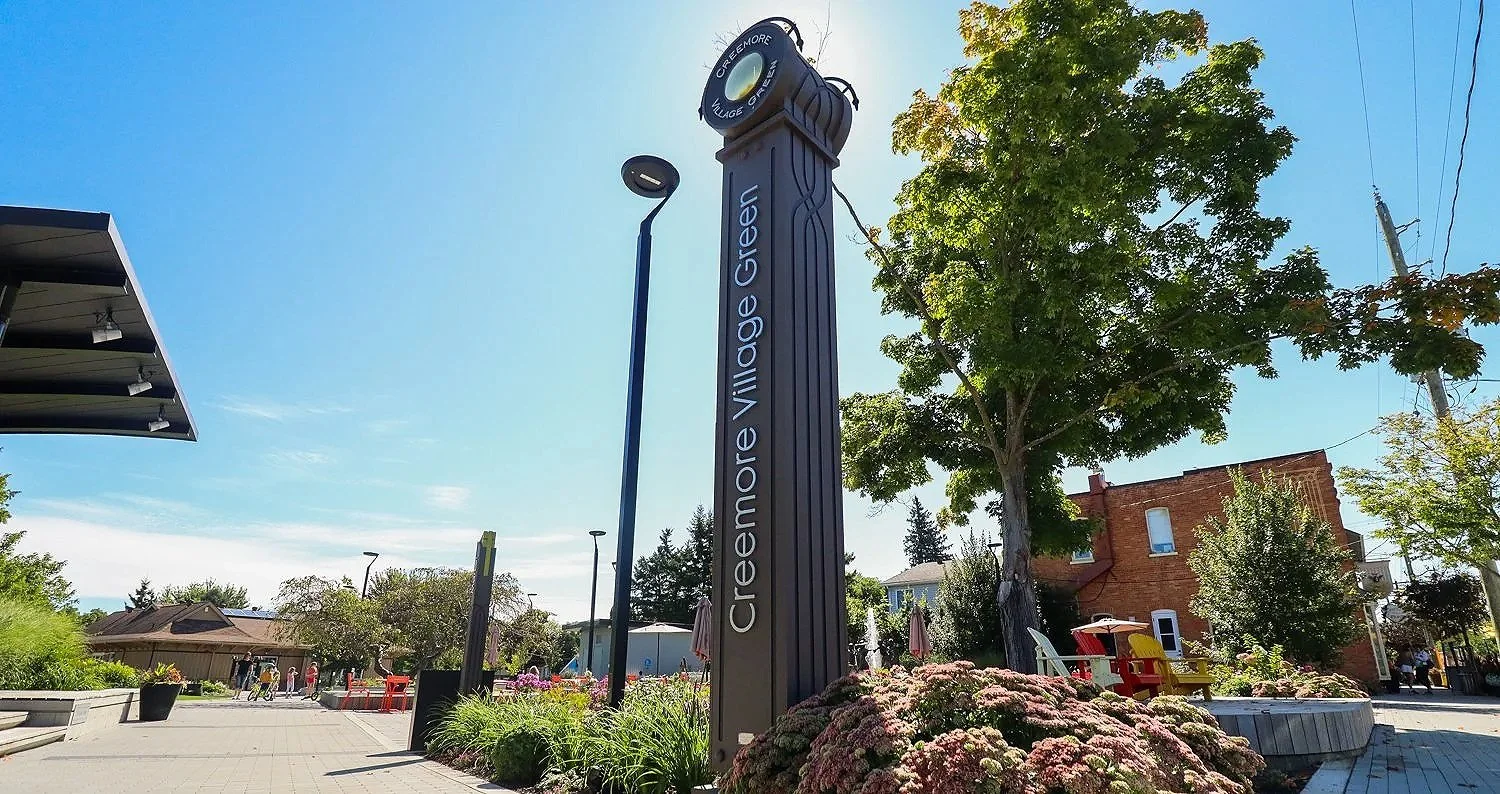
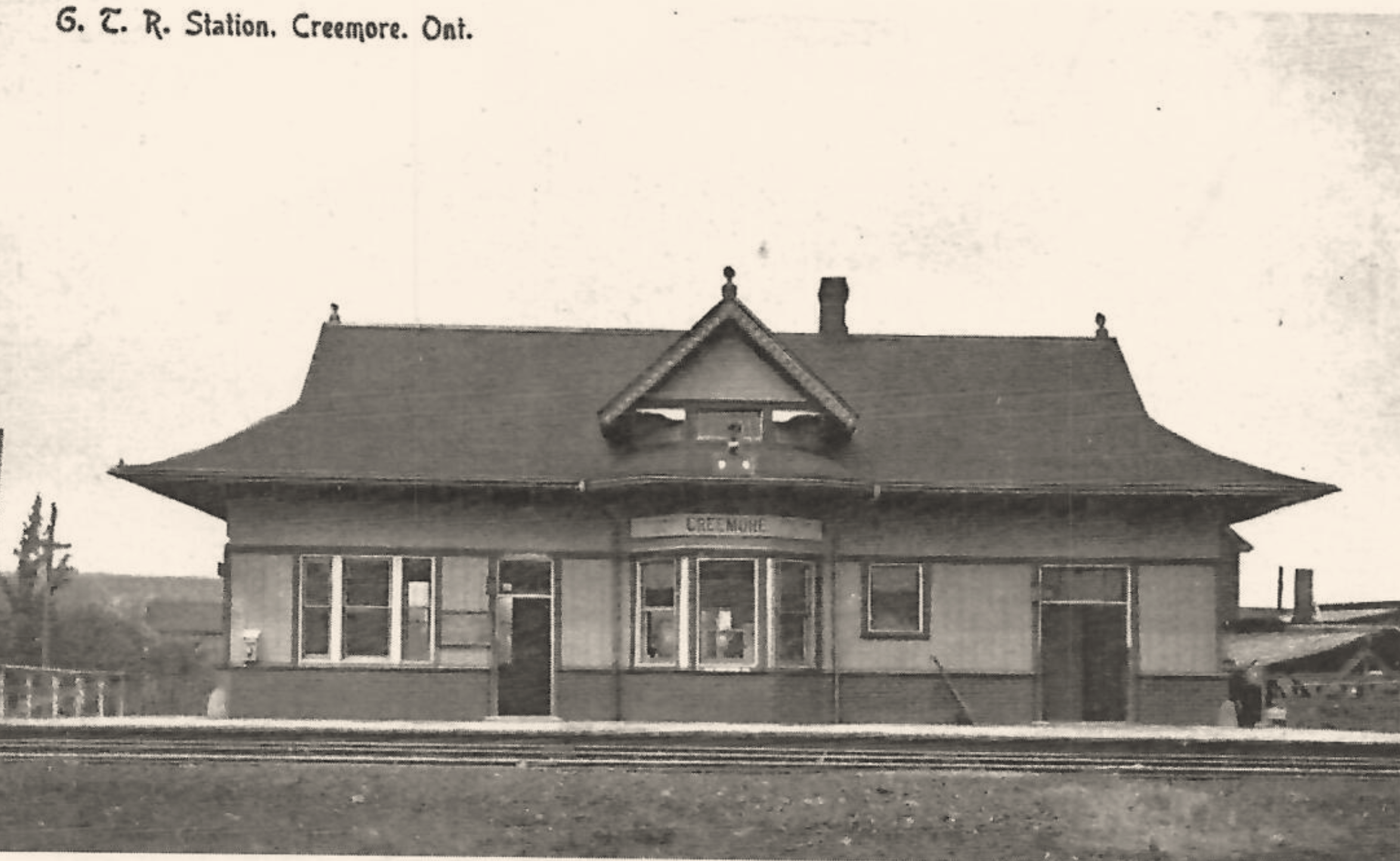
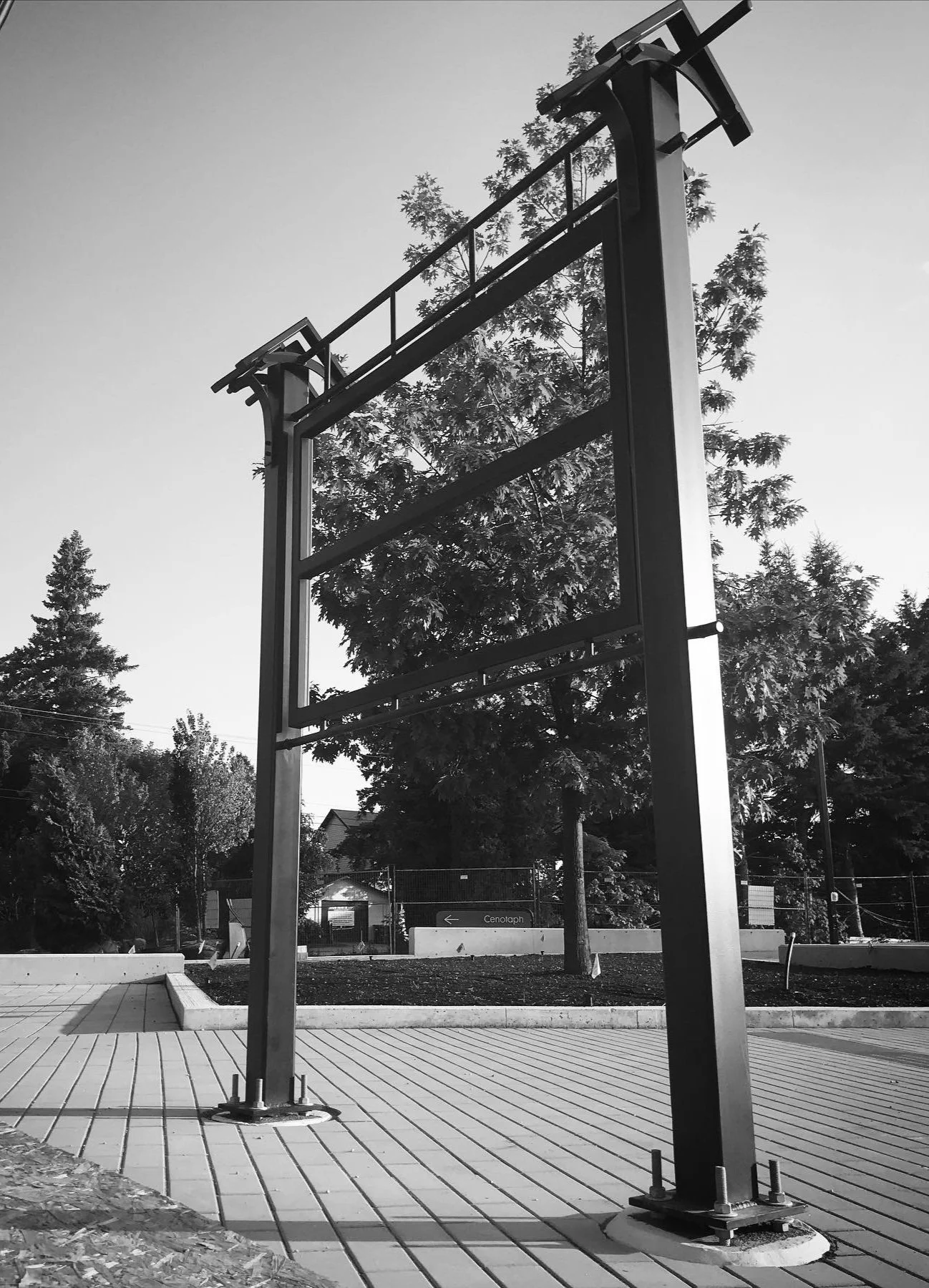
The entrance marker for Creemore Village Green was designed to welcome visitors while expressing the history, character, and enduring identity of the village. Standing on the site of the former railway station, it draws together the industrial heritage that shaped Creemore with the quiet, contemporary landscape of the park.
Rather than commemorating the past, the marker creates a natural connection between the village's history and its future.
The Brief

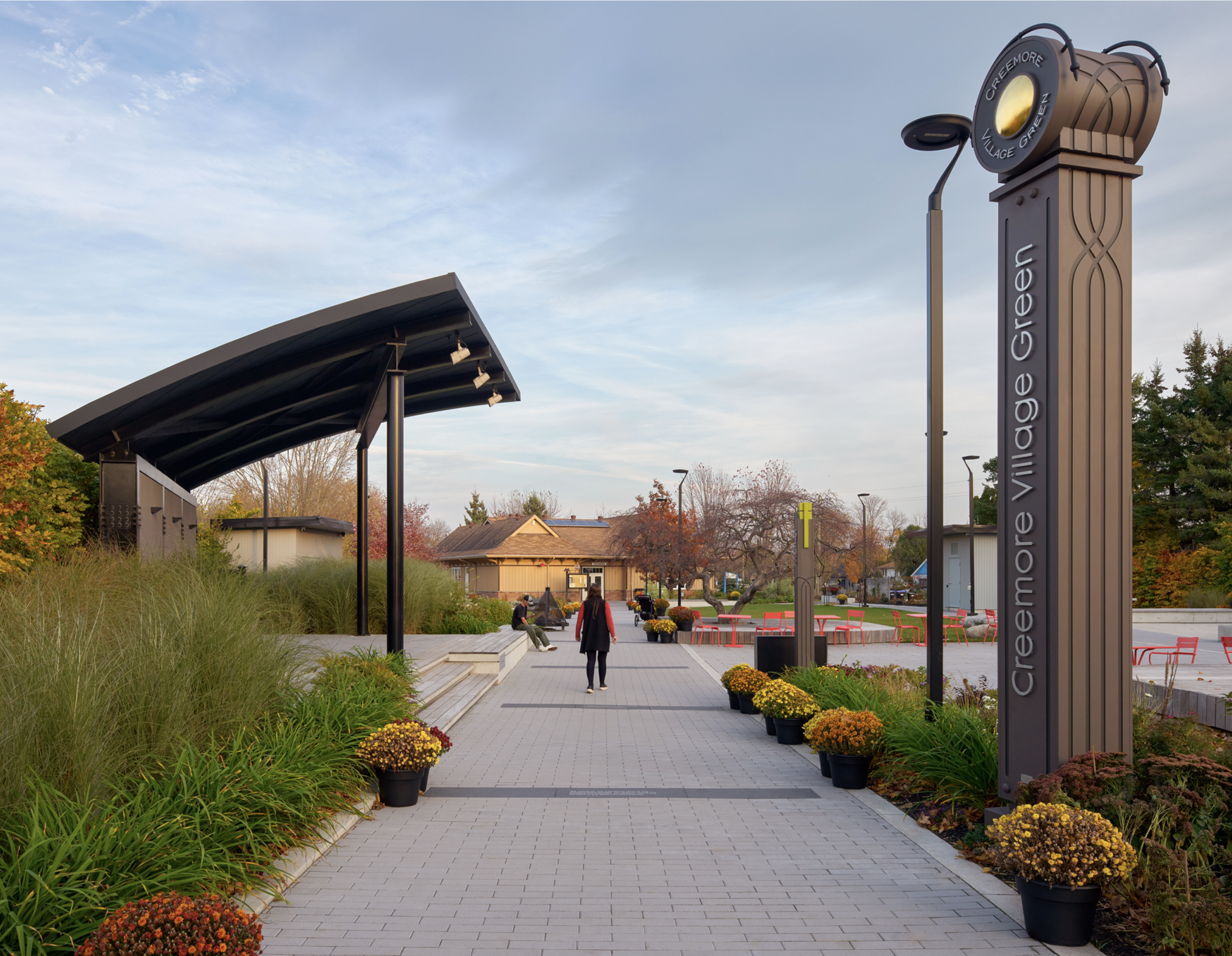
The creation of Village Green transformed the former railway lands into a new civic space at the heart of Creemore. Developed through public consultation and community support, the park was envisioned as a place for gathering, celebration, and everyday life.
The entrance marker needed to identify the park while becoming a welcoming landmark that felt inseparable from both the landscape and the village it serves.
Reading the Place
Understanding a place begins by listening—not only to its history and landscape, but to the people who care for it and the intentions that shaped it.
For generations, the railway connected Creemore to the surrounding countryside, carrying livestock, produce, and supplies that helped shape the life of the village. Although the station no longer stands, its presence remains woven into the history of the site.
The park itself offered a second influence. Designed with restrained materials, generous open space, and natural plantings, it balances clean contemporary forms with the softness of the surrounding landscape.
The entrance marker needed to belong equally to both stories.
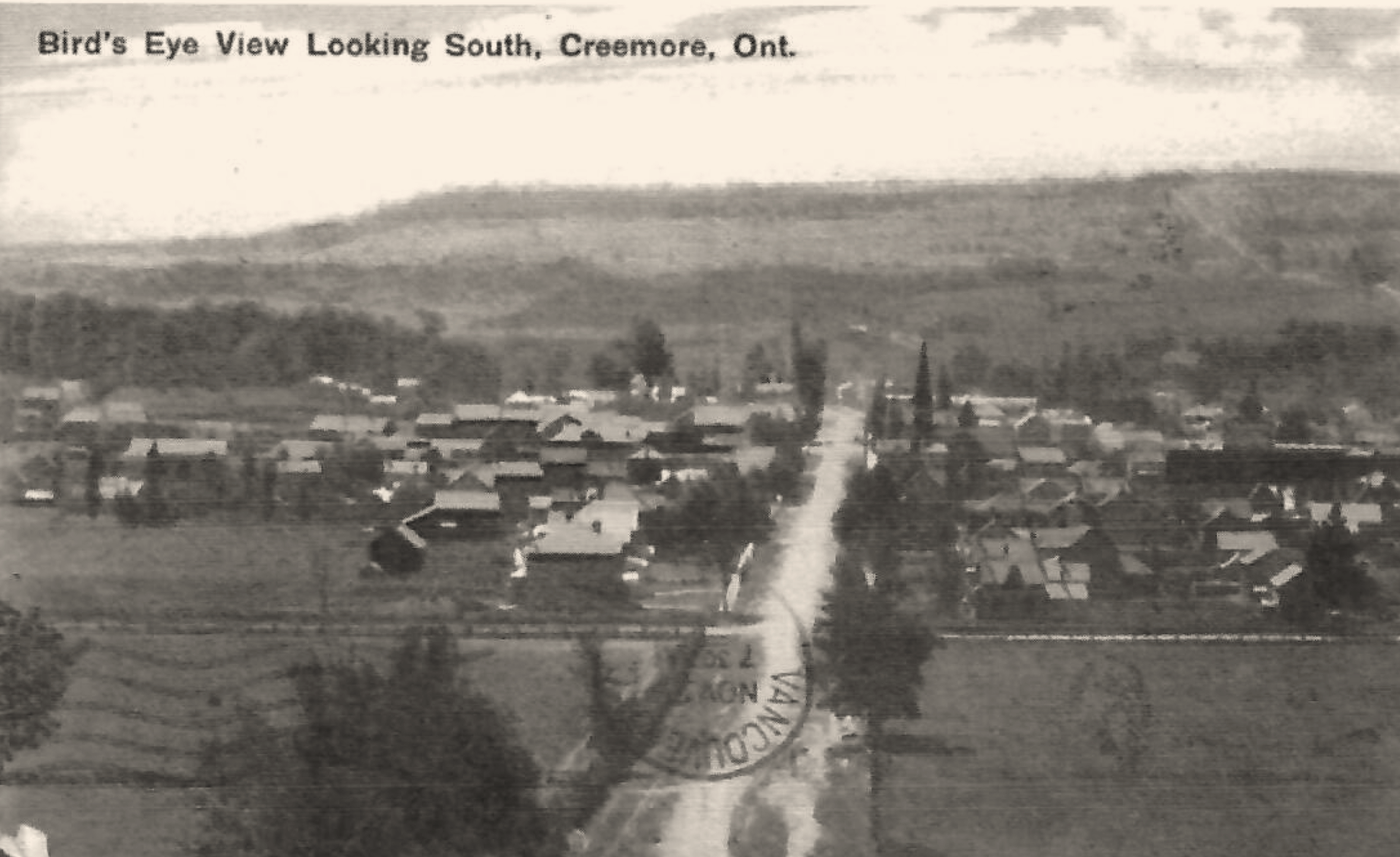
The Distillation
The design was shaped by the relationship between railway heritage and landscape.
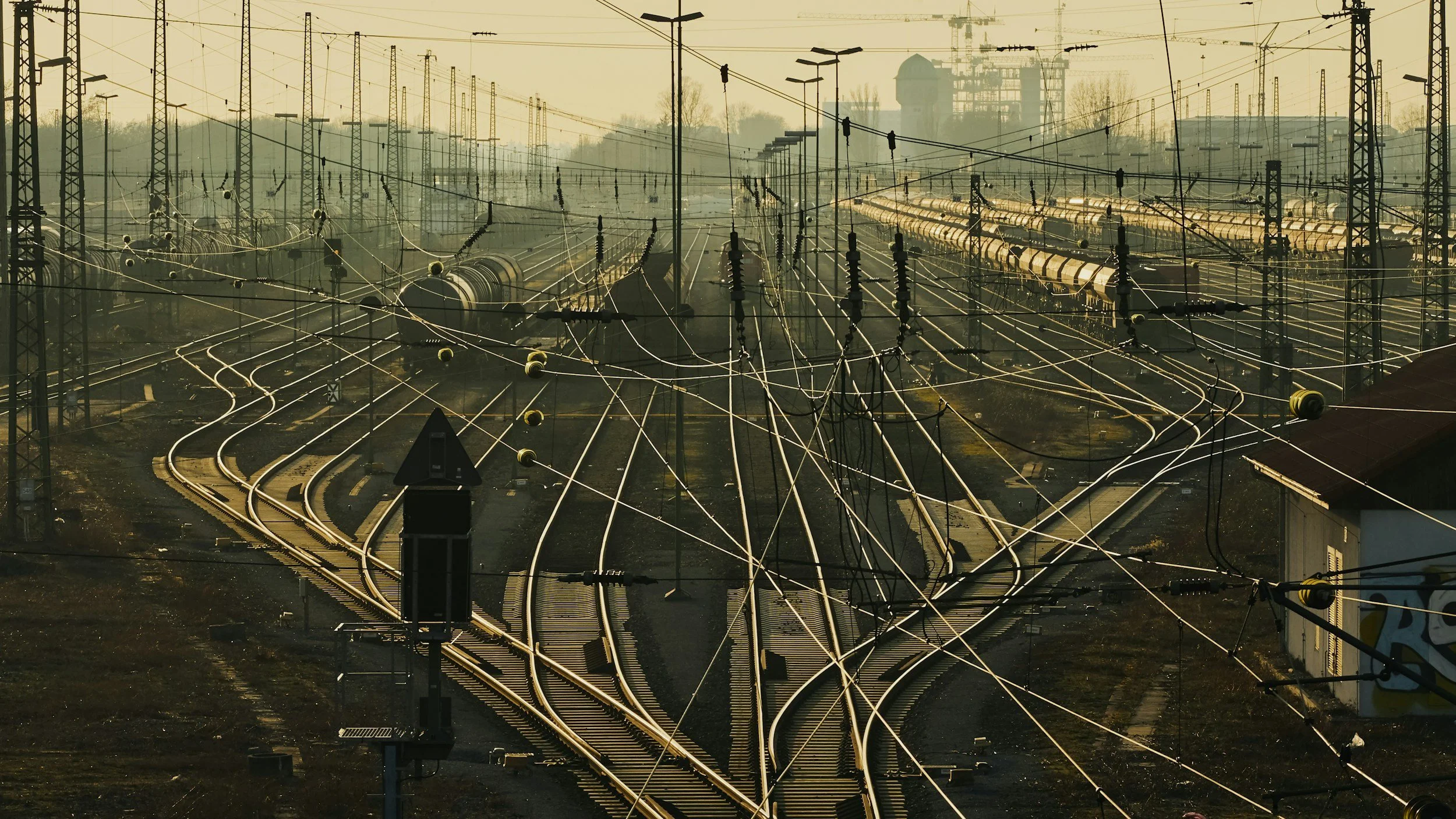
The illuminated beacon recalls the headlight of a steam locomotive, while the vertical proportions establish the marker as a civic landmark rising above the streetscape. Linear detailing draws quietly from the rhythm of railway tracks, softened by flowing forms inspired by the surrounding grasses and trees.
The two-tone charcoal finish reflects the park's contemporary material palette, while the gilded beacon introduces warmth and light. Throughout the design, geometric structure is balanced by gentle organic movement, echoing the same dialogue found throughout the park.
Every decision was made to create a marker that would feel equally at home in the colour of summer or the quiet simplicity of winter.


Expression
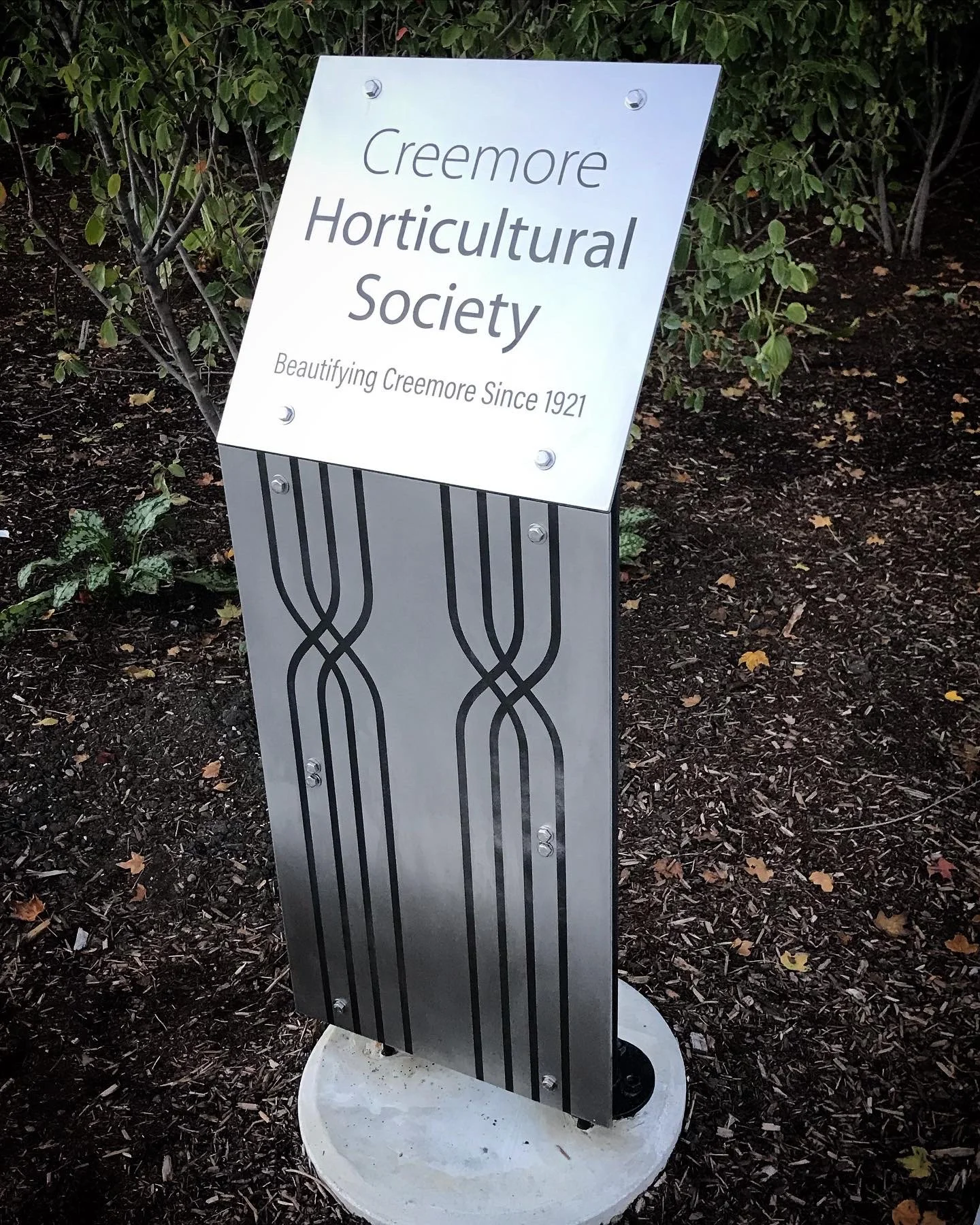
The visual language extends beyond the entrance marker through a family of wayfinding and interpretive elements designed to share the same sense of clarity, restraint, and permanence.
Together they create a cohesive identity that quietly supports the experience of the park rather than competing with it.

The Result
The completed work has become more than an entrance marker.
It provides a clear point of arrival while reflecting the history of the site, the character of the village, and the contemporary spirit of the park.
Rather than standing apart from its surroundings, it feels as though it has always belonged there—welcoming visitors while quietly expressing the identity of Creemore.